Costumes 2015 – 2021
The images below show me in various guises in my role as an historical interpreter or actor, in clothing I constructed with examples spanning from the Viking era through to 1940s.
Click each photo for a closer look
Viking
Early tunics are based on a T shape, to get the most use out of the fabric you own. Shaping for the hips comes from triangular gores inserted at the sides, and at the front and back depending on how much fullness you need.


Medieval
Medieval tunics are similar to those of earlier periods, but you start to see more shaping taking place through the use of lacing, allowing a more form fitted garment.


Tudor
From the fifteenth century onwards you start finding more structured sillhouettes in womens clothing through the use of stays, boned petticoats such as the farthingale and padded bum rolls.


Georgian
Stays are still being worn throughout the eighteenth century along with panniers, the latest iteration of the boned petticoat. Cotton also comes into more general use as a fabric, which makes for a more affordable outfit when you’re costuming on a budget.


Regency
This period in fashion only lasted about twenty years, but it’s an enduring dress style to this day, and harks back to the classical ancient Roman era.


Victorian onwards
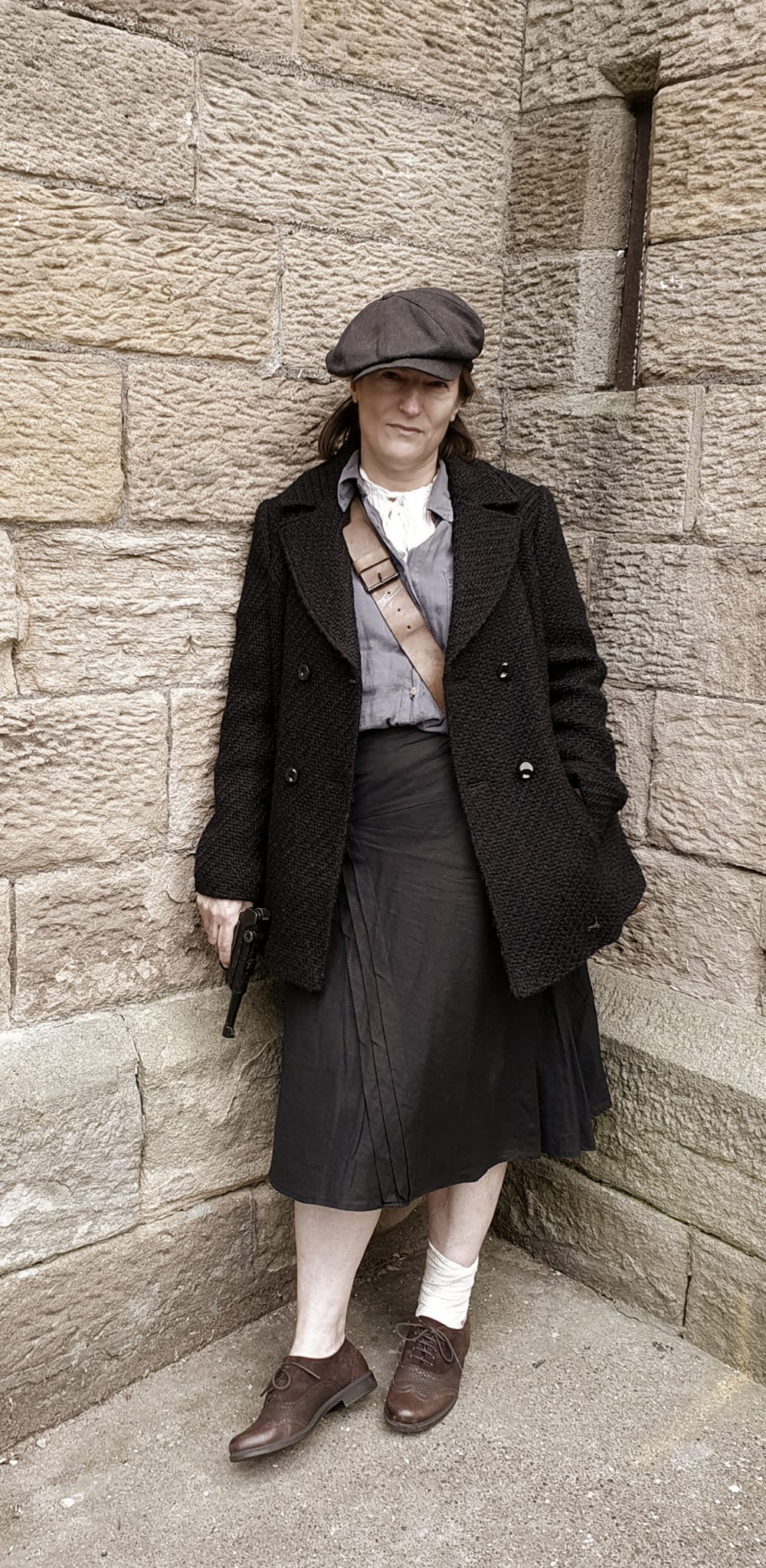
A selection of costumes from the 19th and 20th centuries. These are usually a combination of created pieces with modern repurposed garments.


 Sarah Lowes